
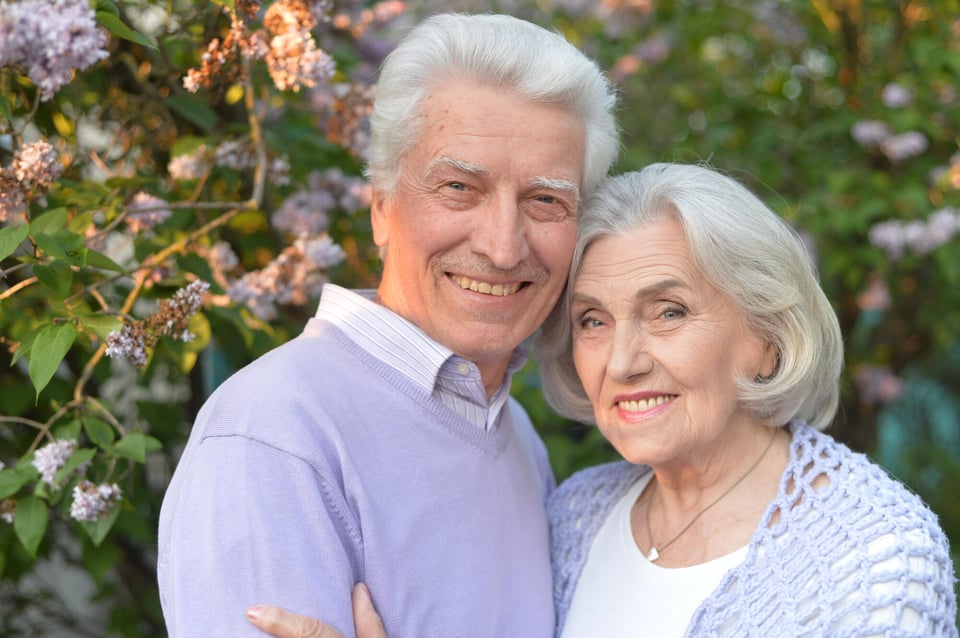
A good marriage in your 70s or 80s often looks different than it did decades earlier, but it can be just as meaningful and steady. Priorities shift toward companionship, trust, and daily support rather than long-term planning or career goals.
According to USAFacts, American marriages last a median of 20 years, which makes long-lasting partnerships later in life especially significant. Couples who reach this stage often rely on shared routines, patience, and mutual respect.
At Morada Deer Park in Deer Park, TX, just 18 miles from Houston, we see how the right environment helps relationships stay strong. In this blog post, we will explore senior relationship tips, lasting love, and what truly defines a good marriage in later life.
How Marriage Changes in Your 70s and 80s
Marriage in later life often becomes calmer and more practical. Daily routines matter more than long-term plans. Health, energy levels, and lifestyle needs can shift, which changes how couples support each other. Many partners focus less on fixing problems and more on maintaining balance and peace at home.
Communication also tends to become more direct. Couples know each other well and understand triggers, habits, and preferences.
At Morada Deer Park, we see how a supportive setting helps couples adapt to these changes. A maintenance-free lifestyle allows partners to focus on each other rather than household stress.
What Makes a Happy Marriage?
A happy marriage later in life is built on respect, trust, and emotional safety. Couples value being heard and supported without judgment. Arguments may still happen, but they often resolve faster and with less intensity.
Shared routines help create stability; meals together, walks, or social activities provide structure and connection. At the same time, personal space remains important. Healthy marriages allow room for individual interests without resentment.
Community also plays a role. In our community, couples benefit from social opportunities that support both togetherness and independence, which strengthens overall relationship satisfaction.
What Are the Signs of a Strong Marriage?
Strong marriages show consistency and cooperation. Partners check in on each other's needs and adjust when challenges arise. There is mutual understanding around:
- Health changes
- Energy levels
- Emotional shifts
Laughter and comfort often signal strength. Couples enjoy simple moments without pressure to entertain or impress. Decision-making feels shared rather than one-sided.
Another sign is flexibility, as strong couples adapt to new living arrangements or routines without losing their sense of partnership.Support systems make this easier by reducing daily stressors that can strain relationships.
How Independent Living Supports Long-Term Marriages
Independent living can remove many common sources of tension. Housekeeping, meals, and maintenance are handled, which frees up time and energy. Couples can focus on connection instead of chores.
Social programs encourage engagement beyond marriage. This helps prevent isolation and reduces pressure on one partner to meet every emotional need. Personal fulfillment supports healthier relationships.
At Morada Deer Park, independent living is designed to support couples while respecting autonomy.The environment promotes stability, routine, and connection, all of which help long-term marriages continue to thrive.
How Shared Community Life Strengthens Married Couples
Being part of a community adds balance to long-term marriages. Couples benefit from regular social interaction that goes beyond their relationship.
Group activities, events, and shared spaces create opportunities for connection without pressure. This supports emotional health for both partners.
Community living also encourages independence. Each spouse can pursue interests at their own pace, which helps avoid burnout or overreliance. Time apart often leads to a better time together.
At Morada Deer Park, shared community life supports couples by offering:
- Structure
- Engagement
- Consistency
These elements reduce stress and help marriages remain steady and supportive well into later life.
Frequently Asked Questions
How Do Couples Keep a Sense of Partnership Later in Life?
Strong partnerships rely on shared routines and mutual respect. Daily check-ins help both partners feel heard.
Simple habits, such as eating meals together or taking short walks, support emotional connection in aging without adding pressure. Consistency matters more than grand gestures at this stage.
Is It Normal for Roles to Change Over Time?
Yes. Health, energy levels, and mobility often shift with age. Couples who adapt tend to experience less tension.
Sharing responsibilities based on ability rather than tradition helps both partners feel valued and supported.
How Important Is Communication in Long-Term Marriages?
Clear communication remains essential. Honest conversations about health, finances, and daily needs prevent misunderstandings.
Listening without trying to fix every issue often strengthens trust. Respectful dialogue supports stability and long-term comfort.
What Helps Couples Stay Emotionally Close?
Emotional closeness grows through small, steady actions. Expressing appreciation, offering reassurance, and spending quiet time together all matter.
Physical affection, when comfortable, also plays a role. Senior companionship thrives when couples focus on presence rather than perfection.
Can Outside Social Connections Improve a Marriage?
Yes. Friendships and group activities reduce pressure on the relationship.
Time spent with others brings new energy back into the partnership. Couples who maintain individual social lives often feel more balanced and engaged at home.
How Do Couples Handle Conflict in Later Years?
Conflict resolution often becomes calmer with age. Many couples choose peace over being right.
Addressing concerns early and avoiding blame helps prevent resentment. Aging together well involves patience and a willingness to compromise as needs evolve.
Does Living in a Supportive Environment Reduce Relationship Stress?
Yes. A supportive living environment can ease many daily pressures that affect long-term marriages.
Help with meals, housekeeping, and routine tasks allows couples to focus more on each other rather than logistics. Fewer daily worries often lead to better patience, improved communication, and a calmer home dynamic.
Support a Good Marriage in Later Life at Morada Deer Park
To sum up, a good marriage in your 70s or 80s looks steady, respectful, and supportive. Shared history matters, but daily choices matter more. Listening, patience, and small acts of care help couples stay close as life changes.
Here at Morada Deer Park in Deer Park, TX, we support long-term relationships by reducing daily stress and creating space for meaningful connection. Couples enjoy independence, privacy, restaurant-like dining with table service, and a strong sense of community. Life here allows partners to focus on each other, not household demands.
Schedule a tour and see how Morada Deer Park supports lasting love in later life.
-1.jpg?width=1200&height=800&name=Morada%20Deer%20Park%20%20-%20Real%20Estate%20Photography%20Dallas%20(1)-1.jpg)