
Summary
When your house feels too big after kids leave, empty nest downsizing can help you find a home that better fits your current lifestyle. For seniors whose home feels too large, rightsizing isn't about losing memories. It's about choosing a living space that reduces upkeep while supporting connection and daily routines you enjoy.
- Unused rooms increase maintenance burdens: yard work, stairs, cleaning, and repairs that consume time and energy
- Large homes carry ongoing costs (property taxes, utilities, insurance, maintenance) that no longer match how space is actually used
- Isolation increases when a big house keeps you alone; smaller communities offer built-in connection through shared meals, activities, and neighbors
- Downsizing in stages—starting with least-used rooms—makes the transition less overwhelming and more manageable
- Active independent living communities can reduce household responsibilities while adding housekeeping, dining, transportation, and social opportunities
When Sarah turned 68, she noticed how quiet her four-bedroom house had become. Rooms that once held family dinners, school projects, and busy mornings now sat mostly unused. She still loved the memories there, but the upkeep was taking more energy than the house gave back.
That feeling is familiar for many older adults whose house feels too big after kids leave. Empty nest downsizing is not just about less square footage. It is about choosing a home that fits the way you want to live now.
The Emotional Weight of Empty Rooms
Sarah's daughter's bedroom still looked much as it had years earlier, while the formal dining room rarely saw a meal. Most days, Sarah used only a few rooms but remained responsible for the entire property.
When a home feels too large, emotions can be mixed. Familiar rooms hold meaningful memories, which can make moving difficult. At the same time, maintaining unused space can feel tiring.
Rightsizing for older adults does not mean leaving those memories behind. It means choosing a living space that better supports current routines and priorities.
The Physical Demands Add Up
A larger property requires ongoing work, even when many rooms are not being used. Over time, routine chores may take more effort or coordination.
Sarah found herself spending more energy on:
- Yard work, gutter cleaning, and outdoor maintenance
- Carrying laundry and groceries up and down stairs
- Scheduling repairs and household projects
- Cleaning rooms that were rarely used
This is often when homeowners begin asking when a house becomes a burden rather than a benefit. Stairs, uneven walkways, slippery surfaces, and household chores can also increase the risk of falls, especially when carrying laundry, groceries, or cleaning supplies.
Moving to a smaller, more manageable setting can help reduce some of these everyday challenges while freeing up time and energy for other priorities.
Financial Considerations Become Clearer
Large homes can also carry expenses that no longer match how the space is being used. Sarah reviewed her budget and saw how much she was spending to maintain rooms she barely entered.
Her recurring costs included:
- Property taxes and homeowners insurance
- Heating, cooling, and other utilities
- Lawn service, repairs, and maintenance
- Larger replacement projects as the property aged
For someone transitioning to a smaller home, comparing monthly costs can help put the decision in perspective. A smaller residence may reduce some homeownership expenses, while senior living may combine housing with services such as housekeeping, dining, maintenance, and transportation.
At Morada Deer Park, Active Independent Living includes weekly housekeeping, apartment maintenance, scheduled transportation, and three scratch-made meals each day. These services can simplify daily routines while reducing household tasks.
When Isolation Replaces Community
Sarah also realized her neighborhood had changed. Many neighbors were at work during the day, and casual conversations happened less often. Even with plenty of space, she had fewer opportunities for connection.
A large house can make it easy to spend more time alone, especially when upkeep takes energy that could go toward hobbies, exercise, outings, or friends.
Community living can make connection more natural through:
- Shared meals and conversations with neighbors
- Exercise programs, games, themed events, and educational programs
- Community outings and scheduled transportation
- Spaces such as a card and game room for spending time together
At Morada Deer Park, these features support an Active Independent Living lifestyle centered on convenience, connection, and fewer household responsibilities.
Making the Transition to a Smaller Home
Sarah took her time before deciding. She visited communities in Deer Park, TX, looked at different floor plans, and thought carefully about what she actually used at home.
Empty nest downsizing can feel more manageable when approached in stages. Start with rooms you use the least, decide which belongings you want to keep, and give yourself time to sort through meaningful possessions. Family members can lend a hand, while professional senior moving services can help with downsizing, packing, organizing, and coordinating the move to make the transition easier.
The goal is not to get rid of everything. It is to create a home that feels comfortable, manageable, and suited to what comes next.
Finding the Right Fit at Morada Deer Park
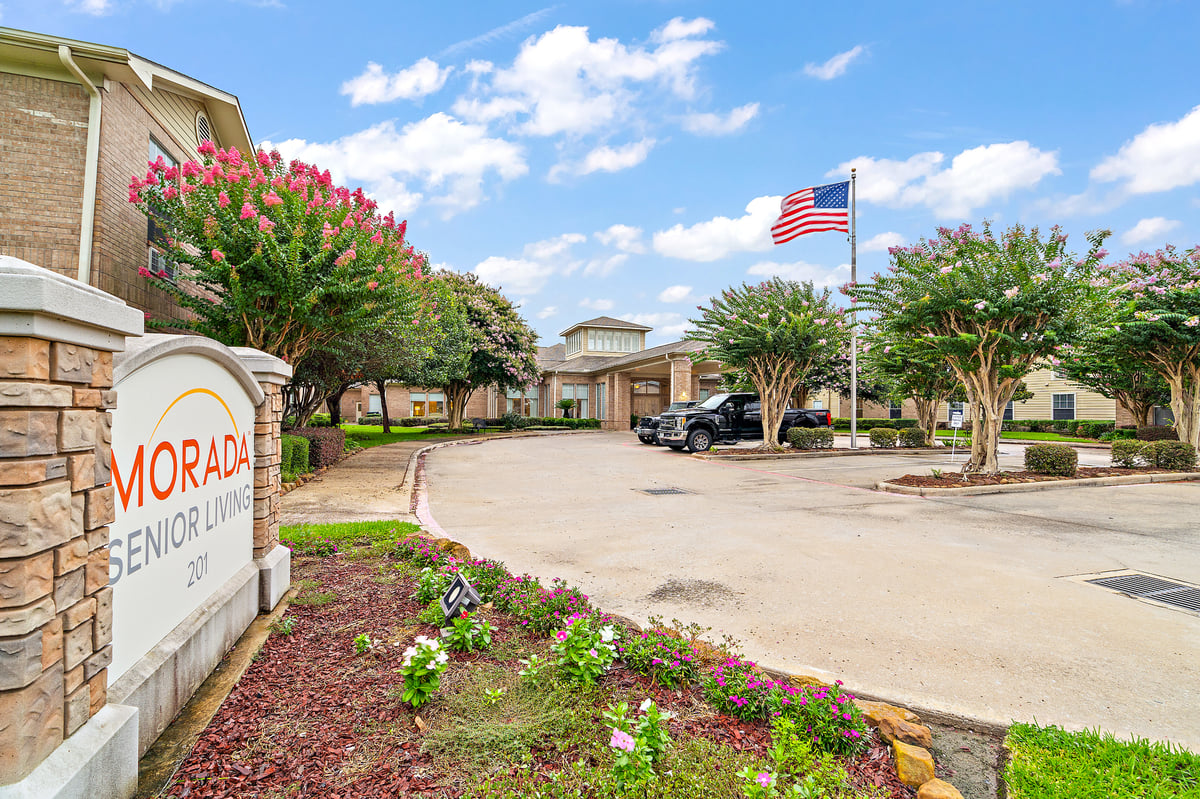
For older adults who feel their home is too large, Morada Deer Park offers Active Independent Living with suite, one-bedroom, and two-bedroom floor plans. Residents can enjoy a more manageable apartment home while leaving many routine chores to the community.
That can mean more time for a homestyle meal, an exercise program, a card game with neighbors, or a community outing. Rightsizing is ultimately about making daily life easier, not simply choosing fewer rooms.
When a house feels too big after kids leave, exploring a smaller setting can bring less upkeep, more connection, and a routine that better reflects how you want to spend your time. Morada Deer Park brings those benefits together with housekeeping, maintenance, dining, transportation, and social opportunities in a welcoming Deer Park setting.
Schedule a tour of Morada Deer Park to see how Active Independent Living can make rightsizing feel simpler, more comfortable, and more connected.